Commercial Refrigeration Service: What It Includes and How Often
For a restaurant, shop, hotel or food business, refrigeration is not a nice-to-have. It is the system that keeps your stock safe, your customers protected and your reputation intact. Yet it is easy to forget about until something goes wrong, usually on the busiest day of the week. A regular commercial refrigeration service is the simplest way to avoid that.
This guide explains what a service actually involves, how often you need one, what it costs you to skip it and how to choose an engineer you can trust. We are The Cold Management, and we look after refrigeration and air conditioning for businesses across Hampshire, Surrey and the South Coast, so we have seen what happens when maintenance is missed.
What is a commercial refrigeration service?
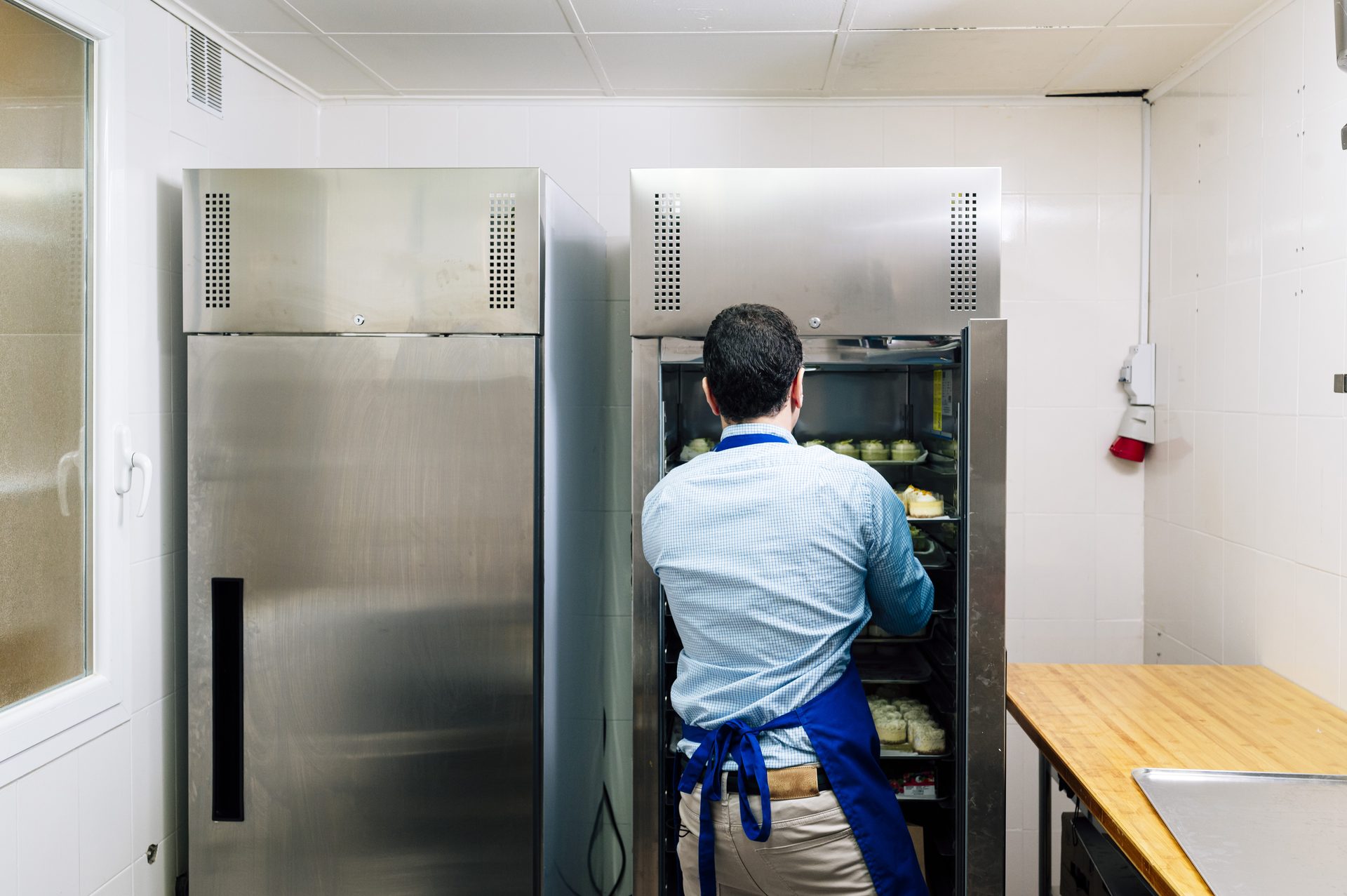
This kind of service is a planned visit from a qualified engineer who inspects, tests and cleans your refrigeration equipment to make sure it is running safely and efficiently. It covers everything from walk-in cold rooms and display fridges to freezers, ice machines and chillers.
It is not the same as a repair. A repair happens after something breaks. A service happens before, and its purpose is to spot small problems early, keep the equipment working at its best and extend its life. This approach is often called planned preventative maintenance, and it is the standard way that well-run businesses manage their cooling.
What does a service include?
The exact checklist depends on the equipment, but a thorough service should cover the following.
- Temperature checks: making sure cabinets, cold rooms and freezers hold the right temperature, and that thermostats and controls are accurate.
- Coil cleaning: cleaning the condenser and evaporator coils, which collect dust, grease and debris and force the system to work harder.
- Refrigerant checks: checking pressures and looking for signs of a leak, which can cut performance and is regulated by law.
- Door seals and hinges: checking gaskets for gaps and wear, because a poor seal lets warm air in and wastes energy.
- Fans and motors: inspecting, lubricating and testing the fans and motors that keep air moving.
- Electrical checks: inspecting wiring, connections, contactors and controls for signs of wear or overheating.
- Drains and defrost systems: making sure condensate drains are clear and defrost cycles are working properly.
- Alarms and monitoring: testing temperature alarms and data loggers where fitted.
At the end of the visit you should receive a clear report that tells you what was checked, what was found and what, if anything, needs attention. That report is useful evidence for environmental health officers and auditors, and it can help with insurance too.
How often does commercial refrigeration need servicing?
For most businesses, a service every six months is a sensible starting point. Equipment that works hard, such as walk-in cold rooms, display units in busy shops and ice machines in bars and kitchens, may need a visit every three or four months. Quieter or lightly used equipment may be fine with an annual service.
Several things influence the right frequency.
- How old the equipment is, as older systems need more attention.
- How heavily it is used and how often the doors are opened.
- The environment, because greasy kitchens and dusty storerooms clog coils faster.
- The value and sensitivity of what you store, such as fresh food, medicines or flowers.
- The manufacturer’s recommendations and any warranty conditions.
If you are unsure, an engineer can look at your set-up and suggest a schedule. We cover the topic in more detail in our guide to cold room maintenance packages, which explains how regular visits can be built into a simple plan.
What happens if you skip a service?
Skipping maintenance may look like a saving, but it usually costs more in the end. A system that is not cleaned and checked slowly loses efficiency. Dirty coils, worn seals and low refrigerant make the compressor work harder, which pushes up your energy bills and shortens the life of the equipment.
Then there is the risk of a breakdown. Failures rarely happen at a convenient moment, and a failed cold room can mean throwing away thousands of pounds of stock, closing for the day and losing customers. A good service often catches the warning signs, such as ice building up, unusual noises or rising temperatures, before they become emergencies.
If you are already noticing symptoms such as frost on the evaporator or a freezer that keeps icing up, our article on why a freezer keeps frosting up explains the common causes and when to call an engineer.
Legal and compliance reasons to service your equipment
There is also a legal side. Businesses that handle food must keep it at safe temperatures, and environmental health officers can ask for records. Equipment that is not working properly is hard to defend if there is a complaint or a food safety incident.
Refrigerant is regulated too. Systems containing certain quantities of fluorinated gases must be checked for leaks at set intervals, and records must be kept. We explain what this means in our article on F-gas regulations for your business. A regular commercial refrigeration service with proper record keeping is the easiest way to stay on the right side of these rules.
Signs your refrigeration needs attention between services
Even with a good schedule, equipment can show signs of trouble in between visits. Do not ignore these warning signs.
- Temperatures that drift up or take longer to recover after the door has been opened.
- Ice or heavy frost building up inside the unit.
- Water pooling on the floor or around the unit.
- Unusual noises, such as rattling, buzzing or loud clicking.
- A unit that runs constantly or cycles on and off more than usual.
- Rising energy bills with no change in how you use the equipment.
- Strange smells or visible damage to door seals.
If you spot any of these, call an engineer sooner rather than later. A small problem fixed early is almost always cheaper than a major failure.
How a service saves you money
A service is an investment that tends to pay for itself. Clean coils and healthy seals can noticeably reduce the electricity your equipment uses, and refrigeration is often one of the biggest energy costs in a food business. Catching small faults early avoids emergency call-out fees, out-of-hours rates and the cost of lost stock.
It also helps your equipment last longer. A well-maintained compressor can run for many years, whereas a neglected one may fail prematurely, forcing an expensive replacement. Spreading the cost into a regular, predictable service is far easier to budget for than a sudden, unplanned bill.
Commercial refrigeration service: what to expect on the day
Knowing what to expect can help the visit run smoothly. Your engineer will usually start by talking to you about any problems you have noticed, then inspect the equipment, carry out the checks above and clean the necessary components.
If stock needs to be moved, a good engineer will plan it carefully so food is never at risk. Most services take between thirty minutes and a few hours per site, depending on the number and size of units. You should be given a service report, and any recommended work should be explained clearly, with a quote before anything is done.
Choosing a refrigeration service company
Not every company offers the same standard, so it is worth asking a few questions.
- Are the engineers qualified and certified for handling refrigerants?
- Do they offer planned maintenance contracts with fixed prices?
- How quickly can they respond if something fails between visits?
- Will you receive a written report after every visit?
- Do they work on all makes and types of equipment you have?
- Can they provide references from similar businesses?
Local knowledge matters too. An engineer based nearby can reach you quickly, knows the area and is more likely to build a long-term relationship with your business.
Servicing different types of equipment
Every type of refrigeration has its own needs, so a good engineer adapts the visit to the equipment in front of them. Understanding the differences helps you plan and ask the right questions.
- Walk-in cold rooms: these need checks on door seals, floor heaters, evaporator fans, defrost heaters and the condensing unit, often located outside. Because they hold so much stock, they are the most important units to keep in good order.
- Display fridges and freezers: used in shops, cafes and supermarkets, these work hard under bright lights and constant door opening. Air curtains, lighting and seals all need attention.
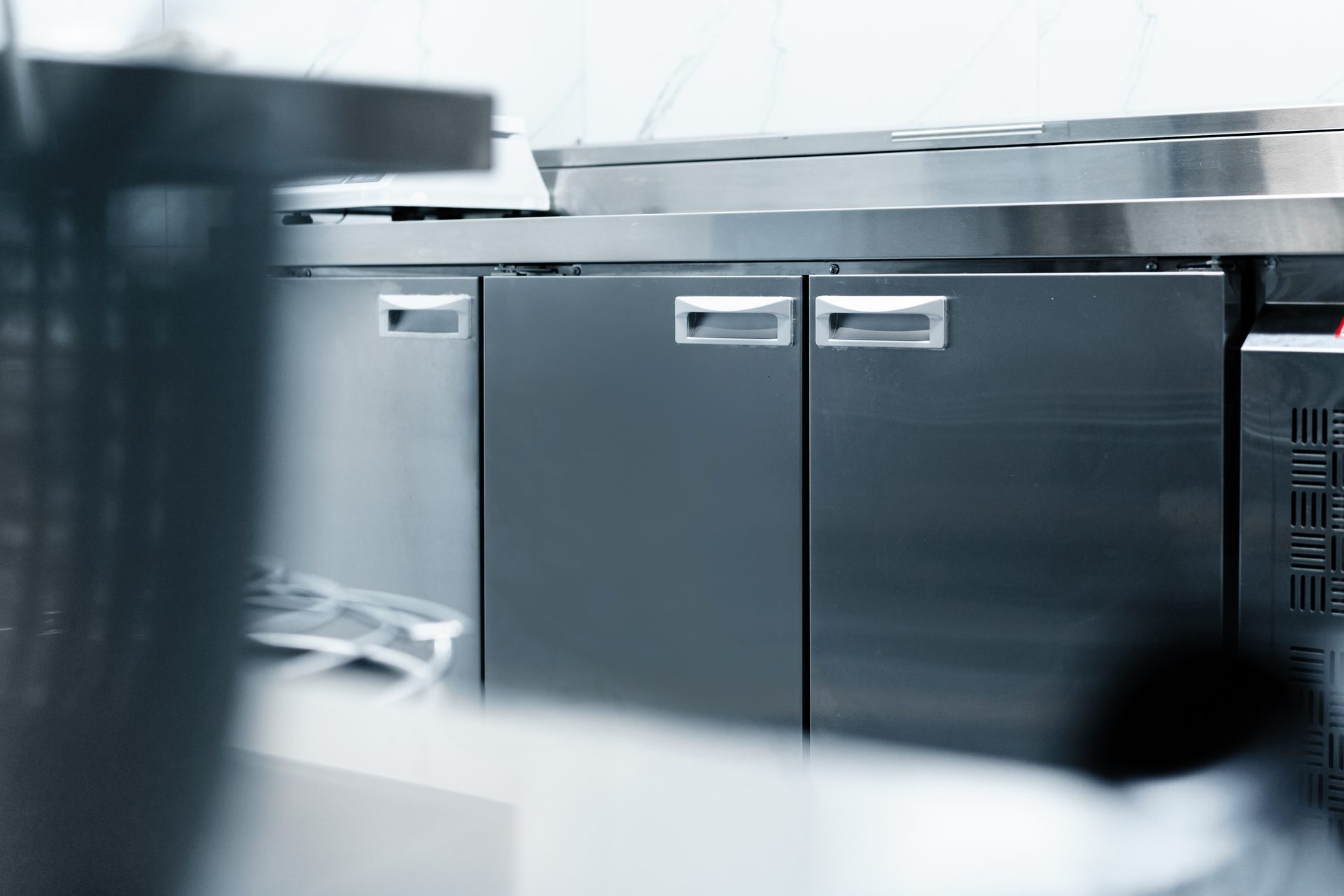
- Under-counter and prep fridges: found in busy kitchens, these collect grease and dust quickly, so coil cleaning is a priority.
- Ice machines: these need cleaning and sanitising as well as mechanical checks, to keep the ice safe and the machine running efficiently.
- Chillers and process cooling: these larger systems need monitoring of flow rates, pumps, pressures and controls.
Building a simple maintenance plan
You do not need a complicated system to stay on top of your refrigeration. Start by listing every piece of equipment you have, including its age, location and how critical it is to the business. Mark which units hold high-value stock and which could be out of action for a day without causing major problems.
Then agree a schedule with your engineer. Critical units might be serviced more often, while less important equipment can follow a lighter timetable. Put the dates in your diary and keep every report together in one folder. Over time, those reports show you which units are ageing and help you plan replacements before they fail, rather than after.
Many businesses also add simple daily checks for their own staff. Recording temperatures at the start and end of each day, wiping seals and keeping vents clear takes only a few minutes and gives early warning of trouble. Share any unusual readings with your engineer, as the pattern over several days often tells them exactly where to look.
How to prepare for an engineer’s visit
A little preparation helps the visit go quickly and keeps disruption to a minimum. Clear access to the units and to any outside condensers, and let your team know when the engineer is arriving. Keep recent temperature records to hand, and make a note of any faults, strange noises or alarms you have noticed since the last visit.
If stock needs to be moved, plan where it can be stored safely. A good engineer will work with you to keep products cold throughout, perhaps by servicing one unit at a time. Afterwards, check the service report, ask about anything you do not understand and keep it on file.
Frequently asked questions
How much does a commercial refrigeration service cost?
It depends on the number and type of units, how often you need visits and whether you choose a contract. Most reputable companies will give you a clear quote after a short conversation or survey.
Can I do some maintenance myself?
Simple tasks such as keeping vents clear, wiping door seals and not overloading the units are helpful. Anything involving refrigerant, electrics or sealed components should be left to a qualified engineer.
Is a service the same as a repair?
No. A service is a planned check to keep equipment running well. A repair fixes a fault that has already happened. A good service reduces the number of repairs you need.
Do I need a service contract?
You do not have to, but a contract keeps visits regular, spreads the cost and often includes priority response. Many businesses find it gives them peace of mind.
Speak to The Cold Management
If you would like a clear, fixed-price plan for looking after your refrigeration, we would be glad to help. Our engineers will look at your equipment, recommend a sensible schedule and explain everything in plain English. Get in touch with our team to arrange a visit, or see what else we offer on our home page.
Share This Story, Choose Your Platform!
About The Cold Management Refrigeration