Upgrade Commercial Refrigeration Units to Boost Efficiency and Cut Costs
Running a business that relies on cold storage comes with its fair share of challenges, rising energy bills, breakdowns, and systems that just can’t keep up. If your fridges or freezers have seen better days, it might be time to upgrade commercial refrigeration units. Newer models use less power, stay cooler for longer, and need fewer repairs. That means lower running costs and less hassle for you and your team. Whether you run a café, grocery shop, or large kitchen, switching to more efficient equipment could save money and make daily operations smoother without adding extra stress to your plate.
Improve Energy Efficiency with Modern Technology
Older fridges and freezers often use more power than needed. They run longer, waste electricity, and cost more to maintain. New systems fix that. When you upgrade commercial refrigeration units, you get machines that use less energy to do the same job.
Newer models come with smart compressors. These parts change how hard they run based on how much cooling is needed. That means they don’t always run at full power, which saves energy over time. Some also switch off when not in use or adjust during quiet hours, like overnight or on weekends.
Modern units also use updated refrigerants. These gases help with cooling but cause less harm to the environment compared to older ones. Many older systems still rely on types of gas now restricted under environmental rules. By switching to newer models, businesses stay within legal limits and avoid future fines or forced upgrades.
Energy bills can drop fast once a new system is in place. Less power used each day adds up across weeks and months. This helps reduce overall costs without needing big changes in daily routines.
There’s another plus too – newer systems often produce less heat around them when running. That keeps kitchens or storage rooms cooler, which makes other equipment like air conditioning units run less often as well.
Staff may notice quieter operation too since modern compressors tend to make less noise than old ones running at full speed all the time.
Making this kind of change doesn’t mean redoing your whole setup either, many new units fit into existing spaces and layouts without major changes needed upfront.
By choosing better tools for cooling goods, it becomes easier to manage both costs and energy use every month while staying ready for future needs or rules that might come along later down the line.

Upgrade Commercial Refrigeration Units to Stay Competitive
Old refrigeration systems often cause trouble. They break down more often and don’t cool evenly. This can lead to food spoilage, safety issues, or product loss. When that happens, your business spends more on repairs and replacements.
Many shops, cafes, and warehouses still use older cooling units. These machines use more power and need extra maintenance to keep running. That means higher energy bills and extra service costs over time. If you want to avoid those problems, it’s smart to upgrade commercial refrigeration units before they fail completely.
Newer models run better and last longer. They also help keep stock at the right temperature all day without much effort from staff. That means fewer surprises when you open the fridge in the morning or check a delivery later in the week.
Customers expect fresh goods every time they shop or eat out. If your fridges stop working properly, you risk losing trust fast. Reliable cooling helps reduce waste and keeps everything safe for sale or use.
Other businesses may already be using newer equipment that works better with less upkeep. Falling behind could make your service slower or less reliable than theirs.
When you replace old units with newer ones, you’re not just fixing a short-term issue – you’re helping your team do their job without delays or stress caused by faulty gear.
A good upgrade also shows suppliers and partners that you’re serious about doing things right. It tells them you’re keeping up with health rules and meeting basic industry expectations without cutting corners.
Staying up-to-date gives you a better chance of keeping regular customers while attracting new ones who notice clean displays, steady cold storage, and fewer outages during busy hours.
Reduce Maintenance Costs Over Time
Old refrigeration systems often break down. Parts wear out. Repairs take time and money. When your equipment fails, staff waste hours trying to fix small problems or waiting for service calls. This slows everything down and can even lead to product loss if cold storage is affected.
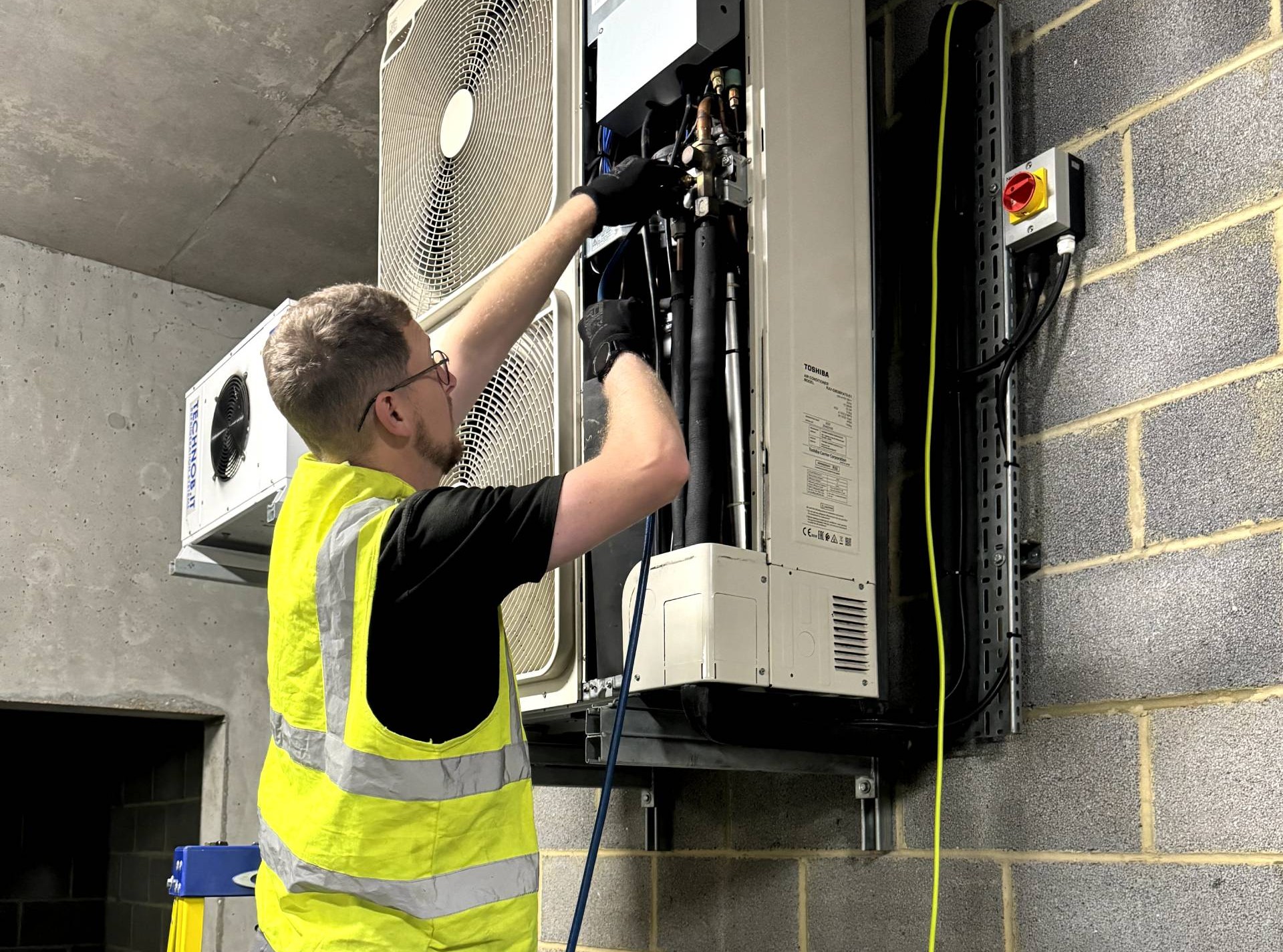
When you upgrade commercial refrigeration units, you get newer technology that works more smoothly. These models use fewer moving parts and better materials. That means fewer faults over time. Technicians spend less time on repairs, which saves labour costs.
Newer systems also come with smart features like alerts for temperature changes or blocked airflow. These warnings help spot small issues early before they turn into bigger ones. Fixing a minor fault is cheaper than dealing with full breakdowns later on.
Older units might need frequent topping up of refrigerant or cleaning due to poor airflow design. Newer models avoid this by using improved layouts that keep air moving properly without clogging filters or coils as often.
If your business relies on cold storage, every hour of downtime matters. High-efficiency fridges stay running longer without needing constant attention from maintenance teams. That frees up resources and reduces emergency repair bills.
Energy-efficient models also put less strain on motors and compressors since they don’t have to run non-stop just to keep things cool enough. Lower strain means longer life for those key components, which delays the need for expensive replacements.
Spending more upfront on better equipment often leads to fewer surprises later on when it comes to servicing needs or part failures, making it easier to plan budgets around regular checks rather than urgent fixes every few months.
Enhance Food Safety and Compliance
Keeping food at the right temperature matters more than most people think. If meat, dairy or fresh produce sits outside safe limits for too long, it becomes unsafe to serve. This can lead to waste, health risks and even fines from local authorities. That’s why many businesses choose to upgrade commercial refrigeration units, to avoid those problems before they start.
Modern systems make it easier to stay within approved temperature ranges. They offer digital controls that show exact readings instead of rough estimates. Some models also track changes over time, so you know if things ever went off balance during the night or weekend. That kind of data helps staff act fast if something goes wrong.
Better insulation is another big plus. It keeps cold air inside longer, even when doors open often throughout the day. That means less strain on the system and more stable storage conditions for your stock. When cold stays consistent, food lasts longer and stays safe until served or sold.
Health inspectors check these details closely. A fridge that runs too warm – even by a few degrees – can be flagged during routine checks. Upgrading helps avoid this risk by keeping everything within legal guidelines without extra effort from your team.
Older equipment tends to wear out without warning, leading to sudden breakdowns or silent failures where temperatures drift slowly over time without notice. Newer units alert users early when parts need attention or cooling starts slipping below standard levels.
Making a change now could save future issues with spoiled goods or failed inspections. It also gives peace of mind knowing that your kitchen follows proper safety rules every day without guesswork or stress from outdated tools.
Future-Proof Your Business with Smarter Refrigeration Choices
If you’re looking to cut costs and improve your bottom line, now’s the time to rethink your refrigeration setup. Modern systems offer better energy efficiency, helping you save on utility bills while reducing environmental impact. By choosing to upgrade commercial refrigeration units, businesses not only stay ahead of the competition but also reduce long-term maintenance expenses. Plus, enhanced temperature control ensures better food safety and compliance with industry standards. Investing in updated technology isn’t just a smart move, it’s essential for staying efficient, reliable and ready for whatever comes next in today’s fast-paced commercial landscape.
Share This Story, Choose Your Platform!
About The Cold Management Refrigeration