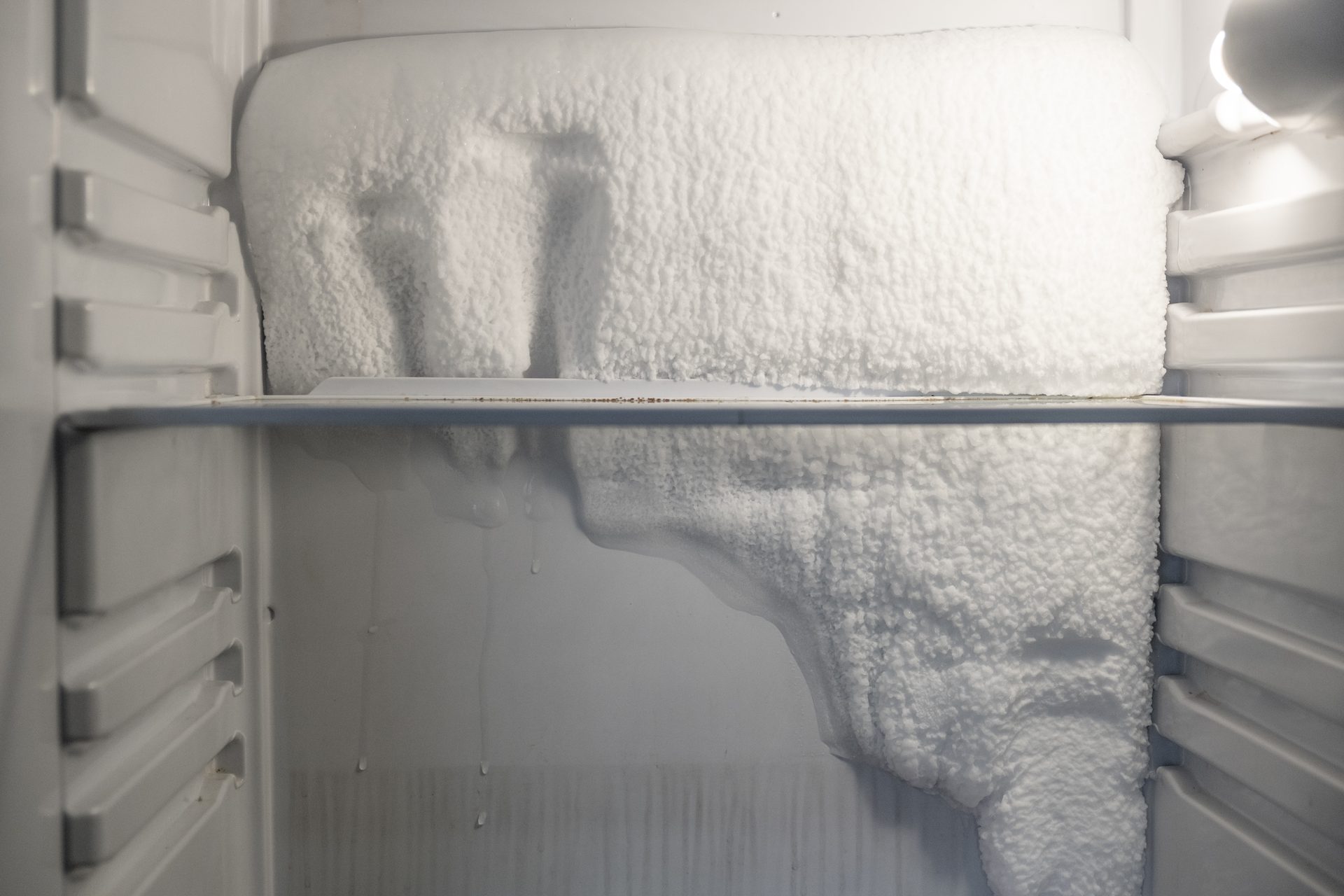
Freezer Frosting Up? Why It Happens and How To Stop It
You open the freezer door and find a thick layer of white frost clinging to the walls, the shelves and your stock. Ice has crept across the seal, the door is harder to shut, and the unit seems to be running all day long. If that sounds familiar, you are not alone, and it is rarely as serious as it looks.
A freezer frosting up is one of the most common refrigeration problems we are asked about. It is also one of the most useful warning signs, because the frost is telling you that something in the system is not right. In this guide we explain why it happens, what you can safely do about it, how to defrost properly, and when it is time to bring in a fridge engineer.
Why is my freezer frosting up?
Frost is simply frozen moisture. Air always contains water vapour, and when warm, damp air meets the freezing surfaces inside your unit, that moisture turns to ice. A small amount of frost is normal, and most commercial freezers have a defrost cycle to deal with it. When freezer frosting up becomes heavy or keeps coming back, it usually means too much moisture is getting in, or the defrost system is not doing its job.
The main causes are listed below, starting with the most common.
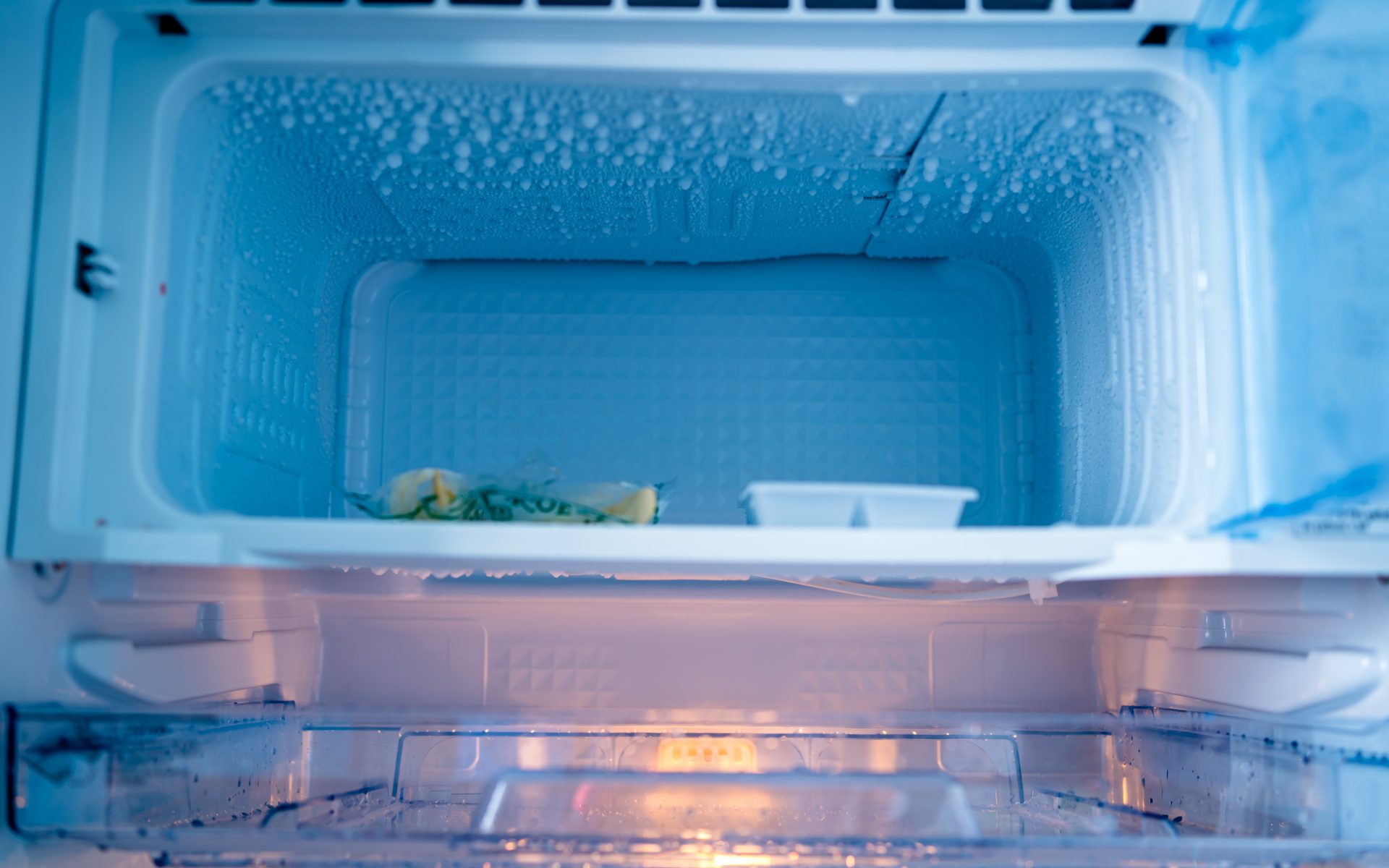
Door seals that no longer close properly
The door seal, sometimes called a gasket, is the number one culprit. If it is cracked, torn, stiff or simply worn out, warm air from the room leaks in every time the compressor pauses. That air carries moisture, which freezes on the first cold surface it finds. You will often see the heaviest frost around the door opening and on the nearest shelves.
A quick test is to close the door on a piece of paper and try to pull it out. If it slides out easily, the seal is not gripping. Dirty seals can also stop sealing properly, so wipe them clean with warm water and a mild cleaner before deciding they need replacing.
The door being opened too often or left ajar
Busy kitchens, shops and bars open the freezer dozens of times a day. Every opening lets in warm, damp air. Doors that are not pushed fully shut, or that are held open while stock is loaded, make the problem worse. Even a door that is slightly ajar overnight can leave you with a heavy layer of ice by morning.
Simple habits help. Group the items you need so the door is open for less time, keep the area in front of the freezer clear so the door can close properly, and remind staff to check that it has latched.
Putting warm or wet items inside
Placing warm food in a freezer adds a burst of heat and steam. The moisture rises, then freezes on the coils and walls. Uncovered food and open containers release moisture as they freeze, too. Let hot food cool down first in line with your food safety procedures, and cover or wrap everything you store.
A faulty defrost system
Most commercial freezers have an automatic defrost system, made up of a timer or controller, a heater and a sensor. If any of these parts fail, frost builds up on the evaporator coil until airflow is blocked. The freezer then struggles to cool, the compressor runs for longer, and ice spreads further.
The signs include a thick, solid block of ice at the back of the unit, rising temperatures despite the compressor running constantly, and frost forming even when the door has barely been opened. This needs a qualified engineer, because the heater and controls involve electrical components.
Blocked drains and poor airflow
During defrost, melted ice has to drain away. If the drain is blocked by debris or frozen solid, water pools in the base of the unit and refreezes. Ice can also form when stock is packed too tightly against the back wall or in front of the fan, blocking air movement. Leave gaps so air can circulate freely.
Low refrigerant or a failing fan
A fan that has stopped working means cold air is not being moved around the cabinet, so the evaporator frosts up while the rest of the unit warms. A refrigerant leak can cause similar symptoms, with ice forming on the pipework while the cabinet does not get cold enough. Refrigerant work must only be done by a qualified engineer in line with the F-Gas regulations.
Is a bit of frost normal?
Yes. A thin, even coating of frost on the evaporator is part of normal operation. What you want to watch for is frost that is thick, lumpy, spreading to the shelves and stock, or building up again within days of defrosting. That is when it stops being normal and starts costing you money, because ice acts like a blanket. It makes the freezer work harder, uses more energy and can shorten the life of the compressor.
How to defrost a freezer safely
If frost has built up badly, a manual defrost can get you back on track. Take your time and follow these steps.
- Plan ahead. Choose a quiet time and arrange somewhere cold for your stock, such as a spare freezer or insulated cool boxes with ice packs.
- Switch off and unplug. Turn the unit off at the controls, then disconnect it from the mains. Leave the door open.
- Protect the floor. Put towels or trays around the base to catch meltwater, and keep water away from electrical sockets.
- Let it melt naturally. Never chip at ice with a knife or screwdriver, as you could puncture the evaporator and cause an expensive repair. A bowl of warm water placed inside can speed things up, and a hairdryer on a low setting, used carefully and kept well away from water, can help in stubborn spots.
- Clean and dry. Once the ice is gone, wipe the inside with a food-safe cleaner, clean the door seals and dry everything thoroughly. Damp surfaces will simply frost up again.
- Restart and monitor. Switch the unit back on, wait for it to reach temperature, then restock. Check the temperature after a few hours.
If the frost is back within a week or two, defrosting has only treated the symptom. Something is causing the build up, and it needs finding.
How to stop freezer ice build up coming back
Once the unit is clean and running, a few habits make a real difference to freezer ice build up in the long run.
- Check door seals every month and replace any that are damaged or hardened.
- Keep the door closed as much as possible and make sure it latches fully.
- Let food cool before freezing and wrap or lid everything.
- Leave room around the fan and back wall for airflow, and do not overfill the cabinet.
- Keep the area around the unit clean and the condenser free from dust.
- Log the temperature daily so you spot problems early.
- Book regular servicing so the defrost heater, fans and drains are tested before they fail.
Regular maintenance is the single most effective way to prevent problems, and our guide to cold room maintenance packages explains what a good servicing plan covers.
When to call a fridge engineer
You can safely deal with dirty seals, door habits, packing and manual defrosting yourself. It is time to call a professional when any of these happen:
- Frost returns heavily within days of a full defrost.
- The freezer is not reaching its normal temperature, or the temperature keeps climbing.
- The compressor runs constantly, or you hear unusual noises from the fans or the unit.
- There is water pooling around the base, or the drain is repeatedly blocked.
- You suspect a refrigerant leak or electrical fault.
A good engineer will find the real cause rather than simply clearing the ice, then explain the options in plain English. If the unit is old and keeps giving trouble, they can also help you decide whether repair or replacement is the better investment, and our article on upgrading commercial refrigeration units is a helpful place to start.
If the freezer has failed completely, read our guide to what to do when emergency refrigeration repairs are needed, including how to protect your stock in the meantime.
What does a frosted freezer really cost your business?
It is easy to treat a bit of frost as an annoyance, but the costs add up quietly. A layer of ice insulates the evaporator, so the freezer has to run for longer to reach the same temperature. That means higher energy bills, more wear on the compressor and a shorter working life for the whole unit.
There is a stock cost too. Frost often goes hand in hand with temperature swings, and those swings cause freezer burn, tired packaging and food that no longer looks or tastes its best. In a food business, that is wasted money and, in the worst cases, a food safety risk.
Then there is time. Staff end up chipping at ice, shifting stock and working around a unit that does not close properly. Fixing the cause once is almost always cheaper than living with the symptom for months.
A simple monthly routine pays for itself. Spend five minutes checking the seals, the door latch, the drain and the airflow around the cabinet, and make a note of what you find. If the same thing keeps coming up, you have the evidence you need to get it properly repaired before it turns into a breakdown.
Keep your freezer running smoothly
Frost is a symptom, not a verdict. Most of the time it points to a worn seal, a door habit or a small fault that is easy to put right if you catch it early. Leave it, and you can end up with higher energy bills, spoiled stock and a failed unit.
If your freezer keeps frosting up and you would like it looked at properly, the team at The Cold Management is happy to help. Get in touch and tell us what you are seeing, and we will find the cause and get your unit running the way it should.
Share This Story, Choose Your Platform!
About The Cold Management Refrigeration